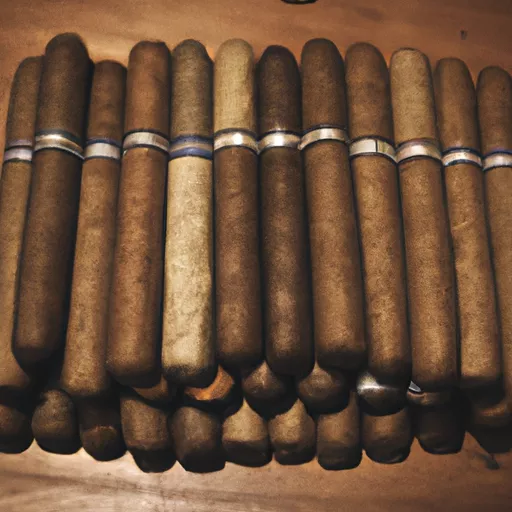
As a cigar enthusiast, I have always been drawn to trying different types of cigars. From full-bodied and bold to smooth and creamy, I have sampled various cigars from around the world. However, recently I came across a new type of cigar that caught my attention – little cigars.
Little cigars, also known as cigarillos, are smaller versions of traditional cigars and offer a unique smoking experience. These miniature cigars have been gaining popularity in recent years and are favored by many cigar lovers. In this article, I will share with you everything you need to know about little cigars.
What Are Little Cigars?
Little cigars are essentially small, slim cigars that are about the same size as cigarettes. They are typically longer and narrower than regular cigars, with a size ranging between that of a cigar and a cigarette. Little cigars are typically made with the same high-quality tobacco as regular cigars and are hand-rolled in a similar manner, although the leaves used may be different.
While traditional cigars may take years to age, little cigars are often ready to smoke immediately after being rolled. They also tend to have a milder flavor and aroma compared to regular cigars, making them a great choice for those who prefer a more subtle smoking experience.
The History of Little Cigars
Little cigars have a rich history that dates back to the 19th century. They were first introduced in Europe as an affordable alternative to traditional cigars. In the late 1800s, a shortage of tobacco in Europe led to the creation of smaller, thinner cigars that used less tobacco but still provided the same smoking experience. These cigars were called “cheroots” and were popular with working-class individuals who could not afford traditional cigars.
As the industrial revolution took hold and more people began to work in factories, little cigars became even more popular as they were easy to smoke on the go. In the early 1900s, little cigars made their way to the United States and quickly gained popularity among Americans. They were marketed as a more affordable option to traditional cigars and were often seen as a sophisticated choice for women.
In the 1960s, little cigars saw a decline in popularity as cigarettes began to dominate the market. However, in recent years, they have made a comeback, with many cigar lovers rediscovering the unique qualities of little cigars.
What Are Little Cigars Made Of?
Little cigars are made of a blend of different types of tobacco, including wrapper, binder, and filler leaves. The wrapper leaf, which is the outermost layer of the cigar, is usually high-quality tobacco that adds flavor and aroma to the cigar. The binder leaf is the layer that holds the filler leaves together and adds structure to the cigar. Finally, the filler leaves are a blend of different types of tobacco that determine the strength and taste of the cigar.
In some cases, little cigars may also contain flavorings or additives to enhance the smoking experience. However, unlike flavored cigarettes, little cigars are not flavored with artificial additives and instead use natural ingredients like essential oils or extracts.
How to Smoke Little Cigars
Smoking a little cigar is similar to smoking a traditional cigar. However, there are some key differences that are worth noting. Here are the steps to follow when smoking a little cigar:
1. Cut the cigar: Unlike traditional cigars, little cigars do not need to be cut. Their small size allows them to be smoked without cutting.
2. Toast the foot: Use a cigar lighter or matches to evenly light the foot of the little cigar.
3. Inhale and puff: Unlike cigarettes, little cigars are not meant to be inhaled. Instead, take slow and steady puffs to taste the flavors and aromas.
4. Rotate the cigar: As you smoke the cigar, make sure to rotate it to help it burn evenly.
5. Enjoy your smoke: Sit back, relax, and enjoy the rich and unique flavors of your little cigar.
Little cigars can also be paired with a variety of drinks, such as whiskey, cognac, or coffee, to enhance the overall smoking experience.
Types of Little Cigars
Just like traditional cigars, little cigars come in a wide range of varieties and flavors. They can be found in different shapes, sizes, and blends, offering something for every cigar lover’s taste. Some popular types of little cigars include:
1. Flavored little cigars: These cigars come in a variety of flavors such as vanilla, cherry, and chocolate, adding a unique twist to the smoking experience.
2. Filtered little cigars: These cigars have a filter at the end, similar to cigarettes, making them easier to smoke.
3. Sweet little cigars: These are little cigars that have been dipped in a sweet solution to add an extra layer of flavor and sweetness.
4. Natural little cigars: These cigars have a natural flavor without any added sweeteners or flavors, showcasing the true taste of the tobacco blend.
Benefits of Little Cigars
1. Affordability: Little cigars are often cheaper than traditional cigars. This makes them a great option for those who want to enjoy the flavors of cigars without breaking the bank.
2. Convenience: Little cigars are smaller and easier to carry than traditional cigars, making them a more convenient option for smoking on the go.
3. Less time-consuming: Traditional cigars can take up to an hour or more to smoke, while little cigars can be smoked in 10-15 minutes, making them a great option for a quick smoke break.
4. Variety: With a wide range of flavors and blends, little cigars offer a variety that traditional cigars may not. This allows smokers to try different types and find their favorite.
In conclusion, little cigars may be small in size, but they offer a unique and enjoyable smoking experience. From their rich history to the different types and flavors, these miniature cigars have a lot to offer for cigar lovers. So, the next time you want to try something new, don’t discount the idea of trying a little cigar – you might just discover a new favorite.